
How to Choose a Wire Rod and Coil Mill Supplier for Your Steel Operation
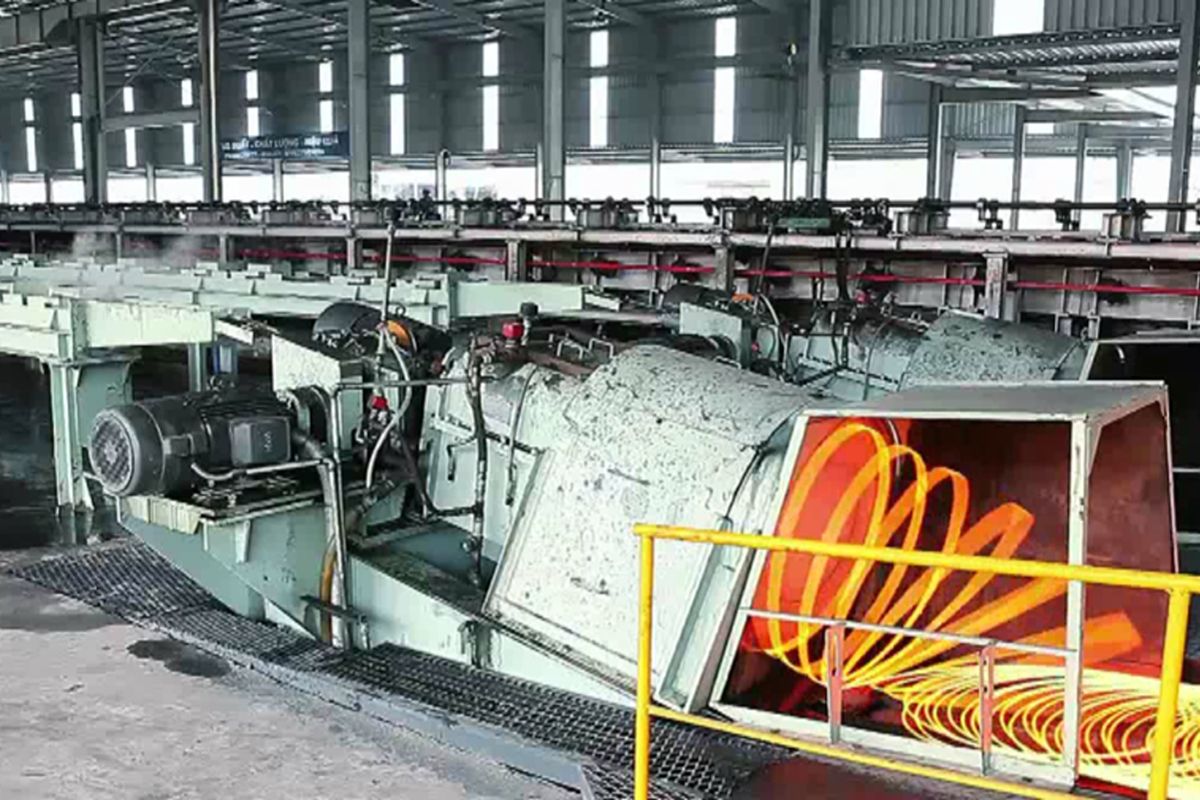
Quick Answer: Choose a wire rod and coil mill supplier based on engineering expertise for high-speed applications, manufacturing quality for demanding operating conditions, integration capabilities with existing systems, and comprehensive long-term support. Look for suppliers with decades of experience, proven worldwide installations, and flexible modernization options. Established manufacturers like Darting, with over 50 years in the industry, offer the reliability needed for successful mill modernization.
Steel plant managers face increasing pressure to modernize wire rod operations. Existing mills cannot reach speeds modern markets demand. Product tolerances are inconsistent. Energy costs keep rising. Meanwhile, customers in automotive, construction, and manufacturing require specialty products that older equipment cannot produce efficiently.
Choosing the right wire rod and coil mill supplier is critical. Good suppliers do more than sell equipment. They help you modernize while keeping production running. Darting has worked with steel producers worldwide for over 50 years, bringing Taiwanese engineering quality and complete support to operations that need to evolve.
What Makes Modern Wire Rod and Coil Mill Technology Different?
Modern wire rod mills operate in a different league compared to equipment installed 15 years ago. The performance gap between legacy systems and current technology affects everything from production speed to product quality.High-Speed Production Capabilities
Modern wire rod and coil mills achieve speeds impossible with older equipment. Current technology enables wire rod production at speeds up to 100m/s for diameters from 5 to 27mm, and bar-in-coil production at 25m/s for 12 to 55mm diameters. According to the Association for Iron & Steel Technology, state-of-the-art installations now achieve stable speeds reaching 120m/s with advanced drive technology.Digital control systems make these speeds possible. Modern mills monitor temperature variations, material characteristics, and wear patterns in real-time. Old mills relied on operator experience and manual adjustments. New mills manage these variables automatically, delivering consistent quality and lower scrap rates.
Product Range Expansion
Modern systems enable production of quenched and fine-grain rebar, special steels, and alloy wire rod that older equipment cannot handle efficiently. Thermomechanical rolling enables processing of challenging steel grades while achieving precise tolerances and metallurgical properties, as documented by the World Steel Association.This flexibility opens new market opportunities. Automotive springs, tire cord, high-carbon wire for fasteners, and specialty alloys all require specific properties that modern controlled cooling systems can deliver.
What Should You Look for in a Wire Rod Mill Partner?
Engineering Expertise for High-Speed Applications
Wire rod mills operate under more demanding conditions than bar and section mills. Engineering capability must account for the precision required at high speeds, proper quench box configuration, laying head design, and coiling system specifications.Every facility presents unique challenges: spatial constraints, power limitations, existing equipment that must keep running during upgrades, and specific product requirements. Experienced suppliers identify potential problems before they happen. Whether you need high-speed flying shears, quench box systems, or complete finishing lines, the engineering must be right from the start.
Manufacturing Quality
Manufacturing quality determines equipment longevity. Wire rod mills work under brutal conditions: high temperatures, heavy loads, and continuous high-speed operation. Components must withstand these conditions without frequent replacement.Taiwan has established global recognition for steel industry engineering, combining rigorous quality standards with competitive costs. This makes Taiwanese manufacturers attractive partners for operations worldwide.
Integration Capabilities
Integration capability separates good suppliers from equipment vendors. Most upgrade projects involve connecting new components with existing automation and control systems. Not all suppliers have this expertise.Darting provides semi-automated and fully automated control systems, along with capability to integrate new elements into existing automation infrastructure. This flexibility is essential for phased modernization projects.
Global Support Infrastructure
Support infrastructure matters more than many buyers initially realize. Spare parts must be available when you need them. Technical expertise must be accessible across time zones. The best suppliers offer flexible maintenance options, from periodic specialist support to comprehensive on-site programs.Experience counts heavily. Suppliers who have installed hundreds of systems have encountered problems that less experienced manufacturers have never seen. Darting’s 50-plus years means we have solved challenges across diverse installations worldwide.
What Are Your Upgrade and Modernization Options?
“Upgrade or replace” is not an either-or choice anymore. Modern suppliers offer multiple improvement pathways suited to different operational needs and budget constraints.Targeted Component Upgrades
Some facilities need only targeted upgrades to achieve significant improvements. Replace key components like flying shears, quench box systems, or coiling equipment while keeping surrounding infrastructure. You gain meaningful quality and speed improvements at lower cost than complete replacement.Darting offers rolling mill upgrades that enhance specific capabilities without complete system replacement. If your roughing and intermediate sections are sound, upgrading the finishing end can dramatically improve output quality and speed.
Phased Modernization
Phased modernization is often the smartest approach for operating facilities. Upgrade systematically over several years while keeping production running. Address roughing mill components in year one, upgrade finishing stands in year two, enhance automation in year three. This spreads costs over time and keeps cash flow manageable.Complete New Installations
Some operations require complete new installations when existing infrastructure cannot support modern requirements. Complete installations let you design the ideal layout and integrate the latest technology throughout.Darting specializes in designing complete new plants within existing space constraints without requiring facility expansion. Whether you need high-speed wire rod lines for automotive applications or bar-in-coil systems for construction products, installations can be configured to your exact specifications.
Automation Levels
Wire rod mills come in three configurations: manual, semi-automatic, and fully automatic. Manual systems cost less initially and work for lower volume requirements. Semi-automatic systems balance investment cost with operational efficiency. Fully automatic systems maximize throughput and consistency but require higher initial investment. Most modern installations are semi or fully automatic, requiring minimal operator intervention.Wire Rod and Coil Mill - Frequently Asked Questions
Can existing wire rod mills be upgraded to higher speeds?Yes, if core structure and drive systems are sound. Flying shears, quench boxes, and coiling systems can often be upgraded to improve speed and quality without complete replacement. Access to quality rolling mill components makes these upgrades practical.
What determines whether to upgrade or replace a wire rod mill?Equipment condition, target production speeds, and product specifications drive this decision. If current equipment cannot achieve required speeds or product specifications, replacement may be necessary. Sometimes repeated repair costs exceed replacement cost over a reasonable timeframe.
How long does wire rod mill modernization typically take?Component upgrades might take weeks. Complete replacement can take 12 to 18 months from design to commissioning. Phased modernization extends over multiple years but maintains production throughout.
What ongoing support should suppliers provide?Suppliers should offer accessible technical expertise, readily available spare parts for critical components, and operator training. Critical items should be stocked for fast delivery. Flexible support options should range from periodic specialist assistance to comprehensive on-site programs.
Why Choose Darting for Your Wire Rod and Coil Mill?
Choosing wire rod and coil mill suppliers determines what you can produce, how efficiently you operate, and whether you can compete effectively. The right partner brings engineering expertise, quality manufacturing, and ongoing support.Darting has served the steel industry for over 50 years. We provide complete turnkey solutions from initial design through lifetime support.
- Fully automated wire rod and coil mill lines
- Manual components and lines
- Semi-automated control systems
- Integration with existing automation and control systems
- ISO 9001:2015 Certification TA 2520-QC
We manufacture everything from rolling mill parts to complete bar and section production lines. Contact us today to discuss modernizing your wire rod operation.