
Rolling Mill Automation Explained: Manual, Semi-Automatic & Fully Digital Production Lines
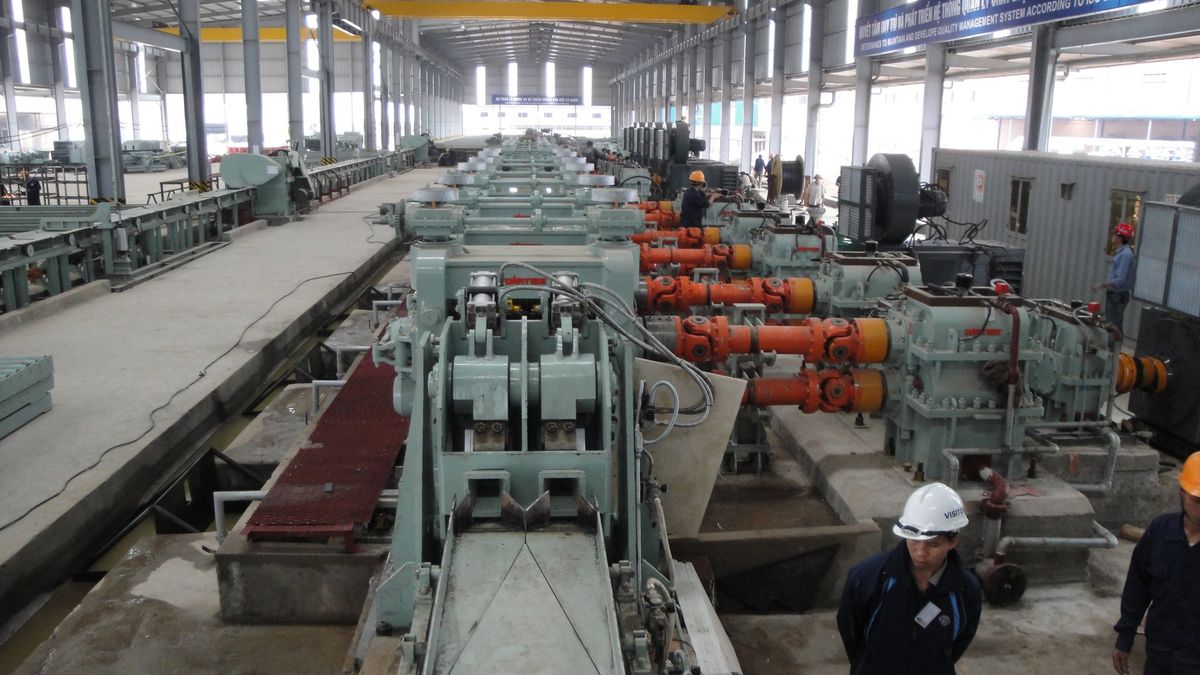
Choosing the right level of automation for your rolling mill is one of the most consequential decisions a steel plant operator can make. This guide explains the options and what each one delivers in practice
What Is Rolling Mill Automation?
Rolling mill automation refers to the use of digital control systems to manage and optimize the steel rolling process. Modern mills range from fully manual operations, where operators control every aspect of production directly, through semi-automatic configurations, to fully computerized production lines where integrated digital systems manage every stage of rolling in real time. The level of automation in a rolling mill directly affects product quality, output consistency, labor costs, and long-term competitiveness.The shift from manual to automated operation has fundamentally changed what a rolling mill can achieve. For operators evaluating a new installation or considering upgrades to an existing mill, understanding what each level of automation actually delivers in practice is essential before making a capital investment decision.
The Three Levels of Rolling Mill Automation
Manual Rolling Mills
In a manual rolling mill, operators control the production process directly, making decisions about speed, roll gap adjustments, and material handling based on experience and real-time observation. Manual mills remain a practical choice where production volumes are lower, product variety is high, or capital investment needs to be minimized.Their principal limitation is consistency. Even experienced operators cannot maintain the same precision across a full production shift as a digital control system. Variations in temperature, material properties, and equipment wear are difficult to compensate for manually, and the results show in wider tolerances and higher scrap rates compared to automated alternatives.
Semi-Automatic Rolling Mills
Semi-automatic rolling mills combine manual oversight with automated control of specific processes or production stages. This configuration is common for operators modernizing an existing installation in phases, where a complete system replacement is not practical or necessary. A semi-automatic system might automate material handling or quality monitoring functions while leaving other elements under direct operator control.Semi-automatic configurations offer an effective middle ground. They reduce dependence on individual operator expertise for the functions they automate, while keeping human judgement in the loop elsewhere. This is particularly well suited to facilities working within budget constraints or seeking to phase modernization over time without halting production.
Fully Automatic Rolling Mills
A fully automated, computerized rolling mill uses integrated digital control systems to manage the entire production process. These systems monitor output in real time, adjust automatically for temperature changes, compensate for material variations, and track equipment wear patterns continuously throughout the production run. What previously required experienced operators to observe and correct manually now happens automatically, with far greater precision and consistency.The performance gains from full automation are significant. Modern automated rolling mill systems can improve production efficiency by 25 to 35 percent compared to manual operations while reducing labor costs by 40 to 50 percent. The result is consistent product quality and lower scrap rates across every shift, because the digital control system applies the same precision at every hour of the working day.
Can Automation Be Added to an Existing Rolling Mill?
Yes. In most cases, digital controls and automation systems can be integrated into existing bar and section mill or wire rod and coil mill installations without complete replacement. Upgrading automation in stages allows operators to achieve meaningful improvements in efficiency and product quality at a fraction of the cost of a new installation. The critical requirement is that any new control systems match your existing installation’s specifications and integrate seamlessly with the rest of the mill line.Engineering experience is decisive here. A supplier with decades of experience across diverse rolling mill configurations understands the practical integration challenges that arise during upgrades and can design solutions that work reliably from commissioning onwards. Darting’s engineers have over 50 years of experience integrating control and automation systems across all types and sizes of hot steel rolling mill, from individual mill stands to complete production lines.
How to Choose the Right Level of Automation for Your Rolling Mill
Consider Your Production Volume and Quality Requirements
High-volume operations producing products where tight tolerances and consistent quality are commercially essential present the strongest case for full automation. Lower-volume or more varied production runs may be better served by a semi-automatic configuration that delivers targeted performance improvements at lower capital cost.Assess Your Existing Equipment and Budget
If your existing mill has years of service life remaining, upgrading specific automation capabilities is usually the most cost-effective path forward. If your infrastructure is genuinely at end of life, a new fully automated installation designed to your exact specifications may be the better long-term investment. An expert engineering assessment of your existing installation is the most reliable way to identify where the best performance gains are available and what the realistic upgrade options are.Final word on Rolling Mill Automation
Rolling mill automation is no longer a premium option reserved for the largest operations. The spectrum from manual through semi-automatic to fully computerized production lines gives steel plant operators genuine flexibility in how they approach modernization, and the ability to upgrade existing installations means that significant automation improvements are achievable without starting from scratch.With more than 50 years of experience designing, manufacturing, installing, and maintaining rolling mills across all automation levels, Darting has the engineering knowledge to help you identify the right approach for your specific operation and implement it reliably. Whether you are planning a new installation or looking to modernize an existing mill, contact our engineers to discuss your requirements.
Frequently Asked Questions
What are the three levels of rolling mill automation?Rolling mills are classified as manual, semi-automatic, or fully automatic. Manual mills are controlled directly by operators. Semi-automatic mills automate specific processes while keeping others under operator control. Fully automatic mills use integrated digital control systems to manage the entire production process in real time, with no need for continuous manual intervention.
How much can rolling mill automation improve production efficiency?
Modern automated rolling mill systems can improve production efficiency by 25 to 35 percent compared to manual operations while reducing labor costs by 40 to 50 percent. Automated systems also deliver consistent product quality and lower scrap rates by maintaining precise control across every production shift.
Can Darting integrate automation upgrades into an existing rolling mill?
Yes. Darting has the skills and experience to integrate new digital control systems and automation upgrades into existing bar and section mill and wire rod and coil mill installations. Our engineers ensure that new components match your existing control system requirements and integrate seamlessly into your current mill line.
Does Darting supply manual, semi-automatic, and fully automatic rolling mills?
Yes. Darting designs and manufactures rolling mills across the full automation spectrum, from manual through semi-automatic to fully computerized production lines. We also supply and install individual mill stands, control system upgrades, and automation components for existing installations.
What does a rolling mill digital control system actually manage?
In a fully automated rolling mill, digital control systems handle real-time quality monitoring, automatic temperature adjustment, material variation compensation, and equipment wear tracking. They also manage automated material handling throughout the mill line. Together, these functions deliver the consistency and precision that manual operation cannot reliably sustain across a full production shift.