
How to Choose the Right Cooling Bed for a Bar or Section Rolling Mill
When you plan a new bar or section rolling mill, it is easy to focus most of your attention on the reheating furnace, rolling stands, shears, and automation system. These machines shape the product and control the speed of the line, so they usually get the most attention during the buying process.
However, the cooling bed plays a major role in the quality and output of the finished product. If you choose the wrong cooling bed, your mill can face problems with bar straightness, uneven cooling, cutting accuracy, material handling, and packing speed. Even if the rolling stands perform well, a poorly designed cooling bed can still become a bottleneck in the finishing area.
A cooling bed is not just a place where hot rolled steel cools down. It is part of the production system. It receives hot bars or sections after rolling, moves them across the bed, allows them to cool in a controlled way, aligns them for cutting, and sends them to the next stage of the finishing line.
If you want stable output and consistent product quality, you need to choose a cooling bed that fits your product range, mill speed, production layout, and long-term expansion plans.
What Does a Cooling Bed Do in a Rolling Mill?
A cooling bed receives hot rolled products after they leave the finishing stand or flying shear. At this stage, the material is still very hot and can bend, twist, or deform if it is not handled correctly.The cooling bed has several jobs:
- It transfers hot bars, rebars, flats, angles, channels, or other sections away from the rolling line.
- It allows the product to cool before cold shearing, bundling, or packing.
- It helps reduce bending and distortion during cooling.
- It aligns the product before the next finishing process.
- It acts as a buffer between high-speed rolling and downstream handling equipment.
This buffer function is important. Rolling mills can produce at high speed, but cutting, stacking, and packing need controlled movement. The cooling bed helps manage this transition between hot rolling and final handling.
For bar and section mills, this is especially important because different products behave differently during cooling. A small round bar, a large flat bar, and an angle section will not cool or move in exactly the same way. Your cooling bed design must match the products you plan to produce.
Why Cooling Uniformity Matters
When steel cools unevenly, different parts of the product shrink at different rates. This can create internal stress, bending, twisting, or straightness problems. These issues are not just cosmetic. They can affect product quality, customer acceptance, and the amount of rework required before shipment.For example, if a bar rests on the same contact point for too long, one area may cool differently from another. If the transfer system does not move the product smoothly, the bar may bend or rotate poorly. If the bed does not provide enough cooling time, the product may reach the shearing or packing area while it is still too hot for stable handling.
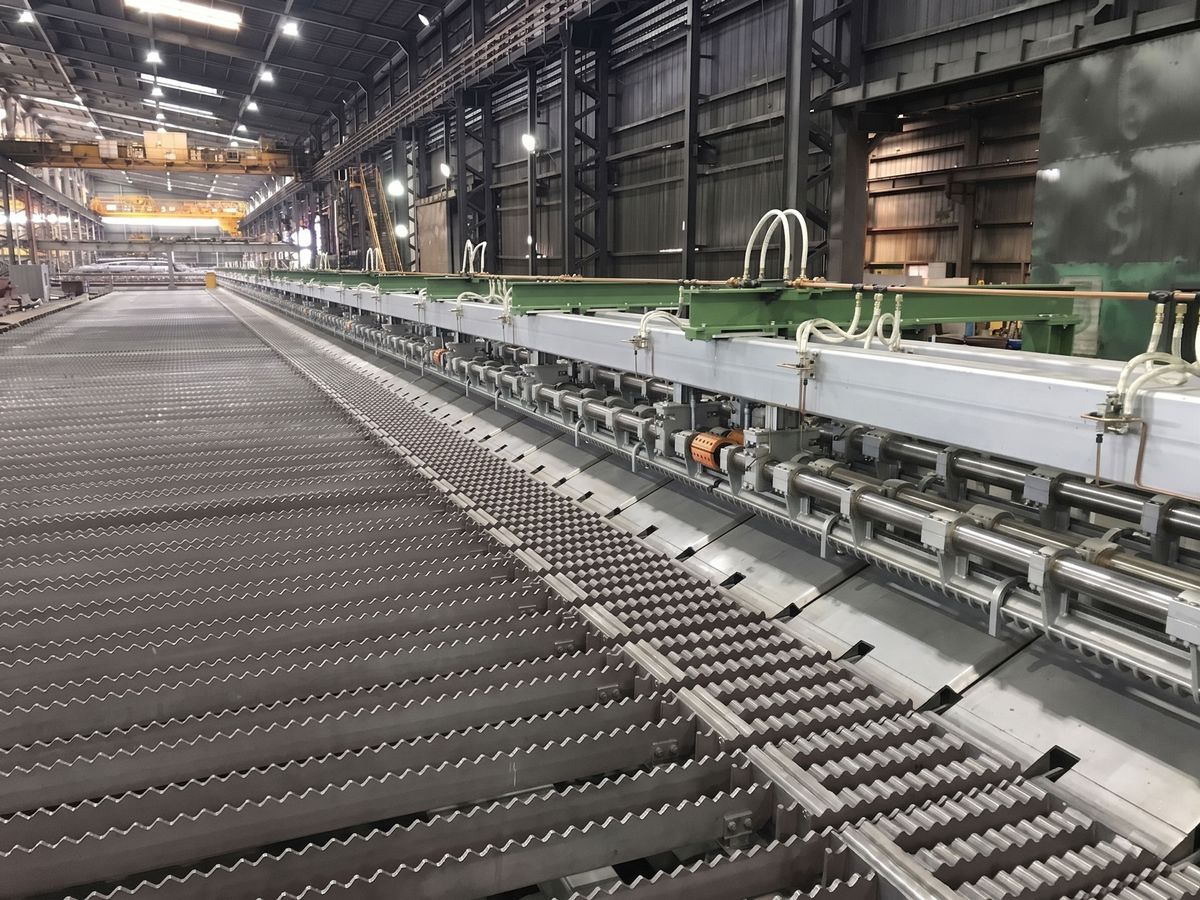
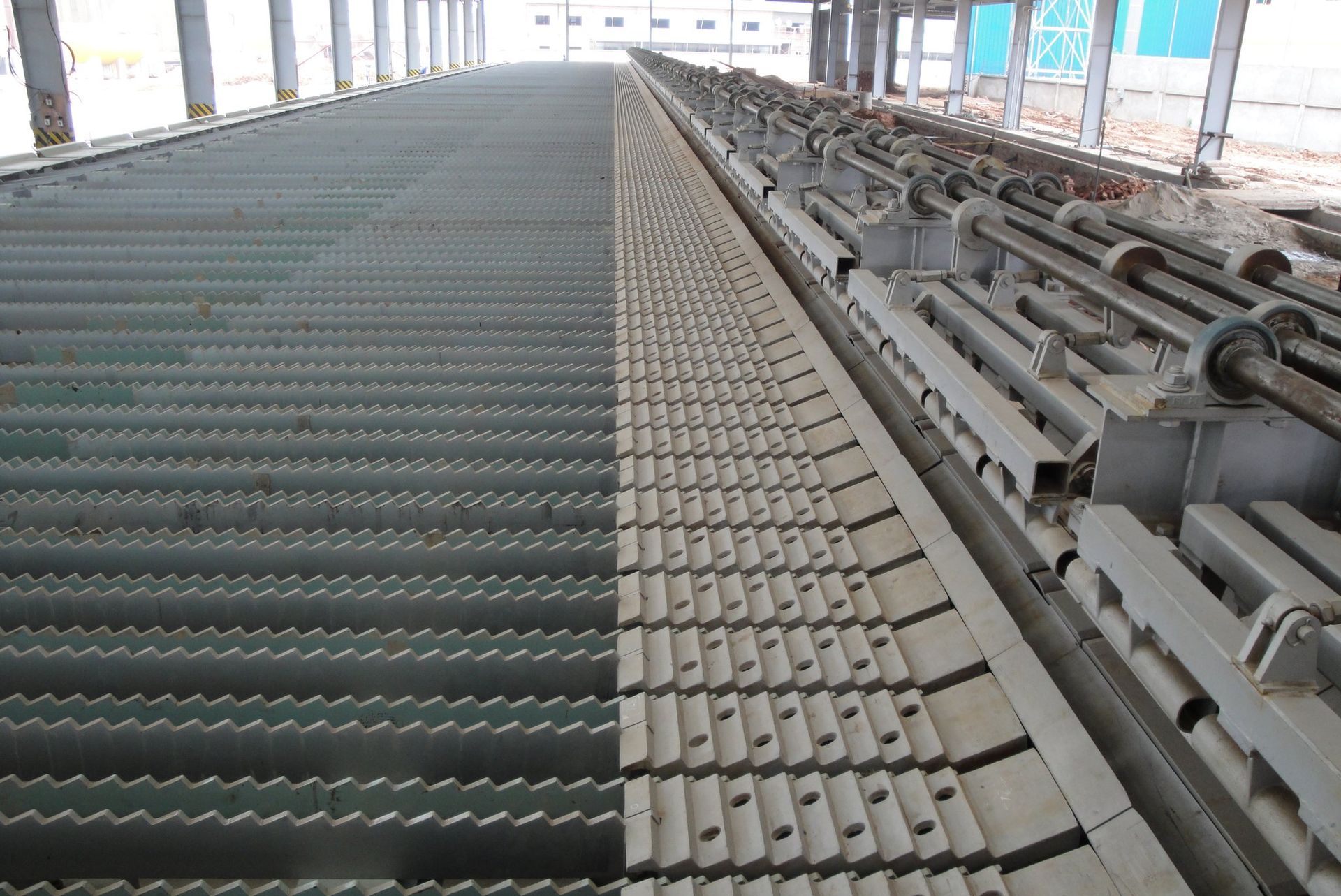
Good cooling bed design helps control these risks. The product should move across the bed step by step, with enough time and enough spacing for controlled cooling. For many bar and section mills, walking beam or rake-type systems help because they move the product at regular intervals and change the contact points during transfer.
The result is more stable cooling, better straightness, and fewer problems in the finishing area.
Main Types of Cooling Beds
There are different cooling bed designs, and the right choice depends on your product range, production speed, budget, and automation level.Manual or Simple Sliding Cooling Beds
A simple cooling bed may be suitable for low-volume production, smaller mills, or basic product ranges. These systems usually have a lower initial cost, but they depend more on manual operation and may provide less control over product transfer and alignment.They can work for simple applications, but they may limit output if the mill grows or if the product range becomes more demanding.
Walking Beam or Rake-Type Cooling Beds
Walking beam and rake-type cooling beds are common in bar and section rolling mills. They use fixed and moving racks to transfer products across the cooling bed step by step.This design helps separate products, control movement, and reduce uneven cooling. It also supports better alignment before shearing or packing.
For many modern bar and section mills, this type of cooling bed offers a strong balance between performance, control, and reliability.
Automatic Cooling Beds
Automatic cooling beds use controlled transfer mechanisms, sensors, PLC systems, and coordinated operation with the rest of the finishing line. They are better suited to higher-speed mills, wider product ranges, and plants that need more consistent output.An automatic cooling bed can help reduce manual labor, improve timing, and reduce handling errors. However, it must be properly matched with the flying shear, cold shear, transfer system, bundling system, and packing area. Automation only helps if the whole finishing area works together.
Key Factors When Choosing a Cooling Bed
A cooling bed should not be selected based only on price or bed size. You need to look at how it will perform inside your full production line.Product Size and Shape
The first question is simple: what products will the mill produce? Round bars, rebars, flats, angles, channels, and other sections all have different handling requirements. Larger sections need stronger support. Long products need accurate transfer and alignment. Products with more complex shapes may need more careful handling to avoid twisting or deformation.You should also think about your future product range. If you choose a cooling bed only for your current products, you may limit your ability to add new sizes later.
Mill Speed and Production Capacity
The cooling bed must match the speed and output of the rolling mill. If the bed cannot receive and transfer products fast enough, it will slow the whole line.This is a common mistake. A plant may upgrade rolling stands or reheating capacity, but keep an older cooling bed that cannot handle the higher output. The result is a finishing-area bottleneck. Before choosing a cooling bed, you need to calculate the expected production speed, bar length, cooling time, transfer cycle, and downstream processing speed.
Cooling Time
Hot rolled products need enough time to cool before the next process. If the cooling bed is too short or too narrow, the product may leave the bed too hot. This can cause handling problems, cutting issues, or safety risks.Cooling time depends on product size, material grade, rolling temperature, ambient conditions, and the required temperature before shearing or packing. The cooling bed should provide enough cooling time without slowing the rolling line.
Bed Length and Width
Cooling bed dimensions must match your product length and production volume. A bed that is too small may create congestion. A bed that is too large may waste floor space and increase equipment cost.For bar and section mills, bed width is especially important because it affects how many products can cool at the same time. The layout also needs to fit the available plant space and connect smoothly with the shearing and packing systems.
Transfer Method
The transfer mechanism affects cooling quality, product separation, straightness, and line reliability. A poor transfer system can cause bars to overlap, twist, or move unevenly. Rake-type systems are often preferred because they move products step by step and keep spacing more consistent. This helps with cooling, alignment, and downstream handling.Alignment Before Shearing
After cooling, bars or sections often need to be aligned before cold shearing. If the cooling bed does not deliver the product in a controlled and organized way, the shear area may lose time correcting alignment problems. Good alignment reduces waste, improves cutting accuracy, and helps the packing area run more smoothly.Automation Level
Not every plant needs a fully automatic cooling bed. However, higher-speed mills and plants with wider product ranges often benefit from automation. Automation can help control timing, transfer movement, discharge, and coordination with downstream equipment. It can also reduce operator workload and improve consistency.The key is to choose the right level of automation for your plant. A simple mill may not need a highly automated system. A high-output mill may lose too much efficiency without one.
Common Cooling Bed Problems
Many cooling bed problems appear slowly. The mill may still run, but output becomes less stable and product quality becomes harder to control.Common problems include:
- Bars bending or twisting during cooling
- Products overlapping on the bed
- Poor alignment before cold shearing
- Insufficient cooling time
- Slow discharge to the next process
- Excessive wear on racks, moving parts, or transfer mechanisms
- Manual handling delays
- Mismatch between rolling speed and finishing-area capacity
These problems can reduce production efficiency and increase operating costs. They can also create more scrap, more rework, and more customer complaints.
If your cooling bed often delays the line, causes poor product straightness, or creates problems before shearing and packing, it may be time to review the design.
Mistakes to Avoid When Buying a Cooling Bed
Choosing a cooling bed is not just an equipment purchase. It is a production planning decision. Here are some common mistakes to avoid.Choosing Based Only on Current Product Sizes
Your mill may produce one main product today, but customers may request more sizes later. If the cooling bed cannot support future product sizes, you may need expensive changes later. It is better to discuss both current and future product plans before finalizing the design.Ignoring the Finishing Area Layout
The cooling bed must work with the flying shear, cold shear, transfer system, bundling system, and packing area. If you design it separately, you may create bottlenecks downstream. The best cooling bed is not always the largest or most advanced one. It is the one that fits the full line.Underestimating Maintenance Access
Cooling beds have moving parts, racks, drives, and wear components. Operators and maintenance teams need safe access for inspection, adjustment, and repair. If maintenance access is difficult, small problems can become larger shutdown risks.Buying Too Small to Save Cost
A smaller cooling bed may reduce the initial project cost, but it can limit production capacity for many years. If the bed cannot provide enough cooling time or transfer capacity, the mill may never reach its planned output. Saving money on the cooling bed can become expensive if it limits the whole rolling line.Ignoring Automation Compatibility
Even if you do not need full automation today, you may want to upgrade later. Choosing a cooling bed that can connect with future controls, sensors, and finishing systems can give you more flexibility.When Should You Upgrade an Existing Cooling Bed?
You may not always need a complete new rolling mill line. In many cases, upgrading the cooling bed or finishing area can improve output and reduce downtime.You should consider a cooling bed upgrade if:
- Your rolling mill can produce faster than the finishing area can handle.
- Bars or sections often leave the bed with straightness problems.
- The cold shear or packing area often waits because of poor transfer.
- Operators need too much manual work to keep the line moving.
- Your plant wants to add new product sizes.
- Older racks, drives, or transfer systems require frequent repair.
- You want to improve automation and reduce handling errors.
A good upgrade plan should look at the complete finishing area, not only the cooling bed. Sometimes the real problem is the connection between the flying shear, cooling bed, cold shear, and packing system.
Questions to Ask Before Ordering a Cooling Bed
Before you choose a cooling bed supplier, prepare clear answers to these questions:- What product sizes and shapes will you produce?
- What is your target annual production capacity?
- What is your expected rolling speed?
- What bar length will enter the cooling bed?
- What final cut length do customers require?
- How much cooling time does the product need?
- What space is available in the plant?
- Will the line use manual, semi-automatic, or fully automatic operation?
- What equipment will come before and after the cooling bed?
- Do you plan to add new products in the future?
These questions help your supplier design a cooling bed that fits your real production needs. They also reduce the risk of buying equipment that looks suitable on paper but causes problems after installation.
Choose a Cooling Bed That Supports the Whole Mill
A cooling bed may look simple compared with a rolling stand or automation system, but it has a direct effect on product quality and mill output. If the cooling bed is too small, too slow, poorly aligned, or badly matched with the finishing area, the whole mill can lose efficiency.The right cooling bed helps you cool products evenly, maintain straightness, improve transfer, support accurate cutting, and keep the finishing area moving smoothly.
When you plan a new bar or section rolling mill, or upgrade an existing line, treat the cooling bed as part of the full production system. Look at product range, mill speed, cooling time, transfer method, automation level, and downstream handling.
Darting can support new rolling mill projects, finishing area upgrades, cooling bed design, spare parts planning, and complete bar and section mill solutions. If you are planning a new line or trying to improve an existing mill, our team can help you review the full process and choose equipment that fits your production goals.